Opinion by Ikorodu News Network (INN)
In recent times, a pressing question arises: Is the frustration among Nigerians stemming from poor leadership, or do they feel sidelined and excluded from progress?
As the economy shows signs of recovery, with a notable GDP growth of 2.98% year-on-year in Q1 2024, it’s crucial to address these concerns and foster patience and inclusivity among the populace.
A recent story highlights this issue vividly.
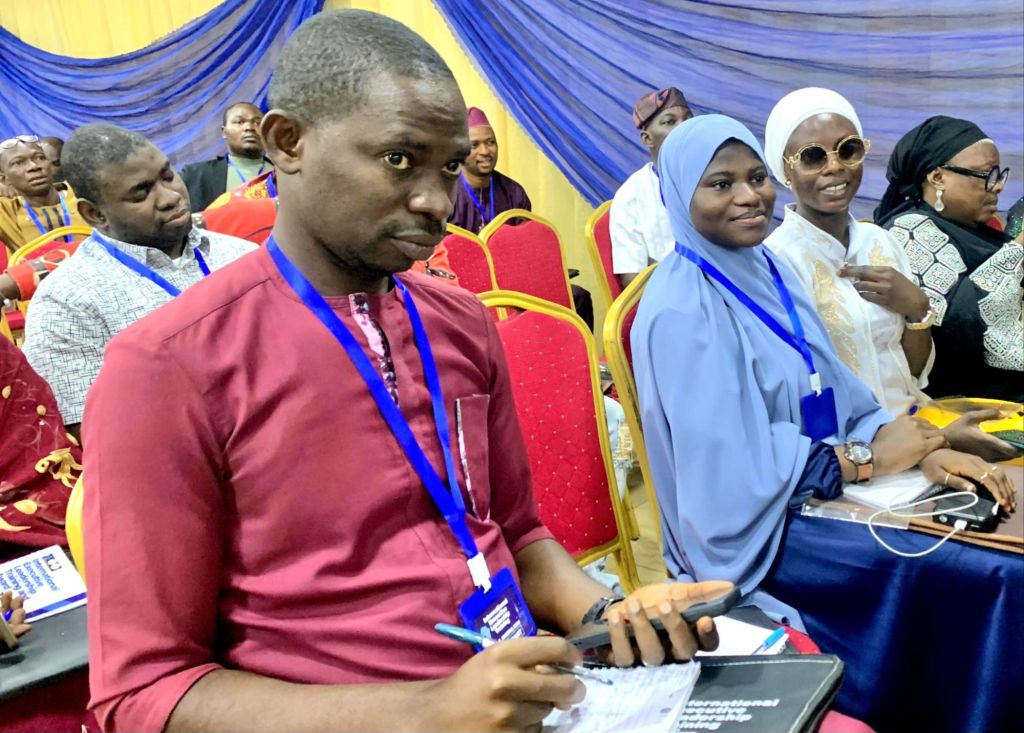
One of our reporters attended a quarterly welfare palliative program organized by Senator Adetokunbo Abiru, who represents the Lagos East Senatorial District.
As the reporter was leaving, he overheard a Keke Maruwa driver expressing discontent: “Na only dem dem dey enjoy everything, other poor masses wen nor dey for their Party nor dey benefit.”
Despite the Senator’s efforts to distribute benefits across various groups—both party members and non-members, including market traders, religious organizations, artisans, and community groups—the driver remained skeptical.
The reporter attempted to explain the inclusivity of the program, emphasizing that the Senator’s initiatives were not politically biased but rather aimed at empowering a broad spectrum of constituents.
However, the driver was unconvinced, reflecting a broader issue of misinformation and lack of awareness.
The reporter spent considerable time explaining the program to the driver.
After a lengthy discussion, the driver remarked, “I’ve heard a lot about the Senator’s positive efforts, but I haven’t seen any benefits myself.”
The reporter responded, “To see the benefits, you need to get involved.” With that, the reporter paid for his fare and departed.
This encounter demonstrated a prevalent sentiment among many Nigerians who feel disconnected from the benefits of political and economic programs.
Even though the cost of living remains high and food prices continue to rise, it is crucial to address how to soothe the masses and foster belief in the government’s long-term vision.
People need to see tangible benefits and feel that their voices and concerns are being heard, regardless of their political affiliations.
This can be achieved through transparent communication, consistent community engagement, and targeted support programs that address immediate needs while outlining clear, achievable goals for future improvements.
It’s evident that while the economy shows growth, with the services sector leading at a 4.32% increase and improvements in agriculture and industry, many people remain uninformed about these positive changes.
This gap in knowledge fuels discontent and the perception of exclusion.
Are our leaders failing to bridge this gap? The public’s frustration often stems from a sense of being left behind while seeing others progress.
When individuals perceive themselves as not benefiting from positive changes, they are more likely to express dissatisfaction and anger.
This sentiment is compounded by a lack of engagement or interest in politics and current affairs, which results in misinformation and misunderstanding of the true state of affairs.
To address this, leaders must make concerted efforts to involve and inform the public.
Just as sports and religion unify Nigerians, there must be initiatives that harmonize the political landscape and foster a sense of collective progress.
Policies should not only aim at economic growth but also ensure that people feel included and valued.
A psychological approach is essential in governance.
People need to feel that they are part of the progress and that their concerns are being addressed.
By creating transparent and inclusive policies, leaders can mitigate feelings of exclusion and build trust with the populace.
In conclusion, the path to national unity and economic recovery involves not only economic growth but also ensuring that every Nigerian feels part of the journey.
Leaders must work towards policies that bridge the gap between progress and perception, fostering a more inclusive and informed society.
Let’s strive to carry everyone along and build a nation where all can share the benefits of collective advancement.

 INN-HOUSE☆