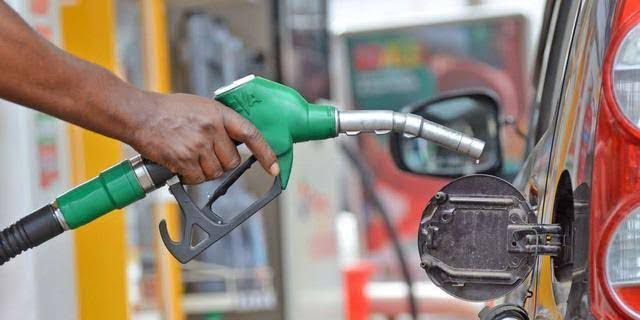
The Crude Oil Refinery Owners Association of Nigeria (CORAN) has said that Premium Motor Spirit (PMS), popularly known as petrol, could be sold for as low as N350 per litre at filling stations across the country if proper support is given to local refineries and key economic policies are implemented effectively.
Speaking during a press briefing, Eche Idoko, the Publicity Secretary of CORAN, highlighted that the continued rise in petrol prices—currently hovering around N900 per litre in some parts of Nigeria—is not reflective of global crude oil market trends, where prices have dropped significantly in recent weeks.
Idoko pointed out that the key to achieving lower pump prices lies in the naira-for-crude initiative, which previously allowed local refineries access to crude oil in exchange for naira instead of dollars. According to him, this approach gave the country a pricing advantage and had already started yielding results before it was suspended.
“Petrol prices will continue to rise despite the fall in crude prices and landing costs,” Idoko lamented. “This is because certain middlemen are working against the success of local refining by resisting the naira-for-crude arrangement.”
He added that when local refining was gaining momentum, petrol prices had dropped to about N700 per litre, and were projected to fall further to around N350, particularly if global crude prices hit the $50 per barrel mark.
“I boldly projected that fuel could go for as low as N350 per litre with support for local refining. That trajectory was already becoming a reality until vested interests stepped in,” he added.
Idoko expressed concern over the disconnect between international crude market dynamics and domestic fuel pricing, outlining three major factors behind the current price hikes: foreign exchange constraints, logistics costs, and the interference of middlemen.
He explained that refineries like Dangote Refinery are now struggling to access crude oil locally and are forced to import, which adds significant shipping and transaction costs, further pushing up prices at the pump.
“It’s like paying agency fees when renting a house—everyone wants their share, and it makes the final cost higher,” he said.
Idoko reiterated that unless the government revives the naira-for-crude policy and shields local refining from undue interference, the average Nigerian consumer will continue to pay inflated prices for petrol, despite favorable global oil trends.
Meanwhile, reports show that Brent crude, the global benchmark for oil, recently fell to $65 per barrel from its previous rate of $69.90, largely attributed to global economic tensions and tariff hikes by U.S. President Donald Trump.
Despite the global downturn in oil prices, Idoko warned that Nigerians should not expect relief at the pumps unless strategic efforts are made to empower domestic refineries and control the influence of profiteers in the fuel supply chain.

 INN-HOUSE☆