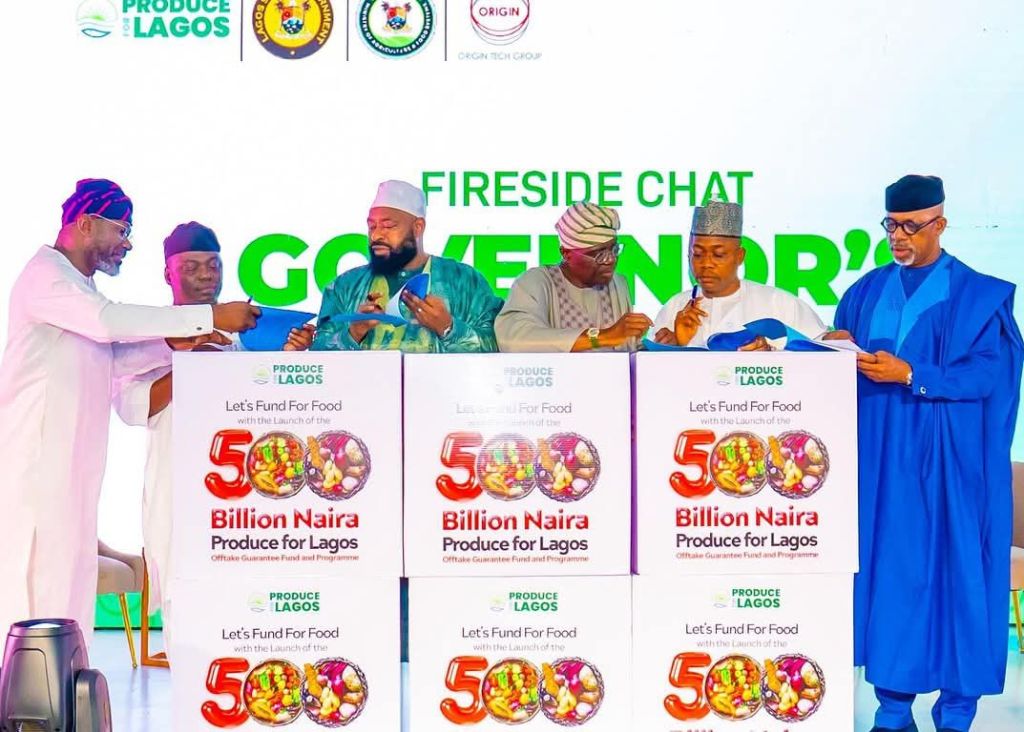
In a groundbreaking step toward food system transformation, Governor Babajide Sanwo-Olu of Lagos State has introduced the “Produce for Lagos” initiative alongside a ₦500 billion Offtake Guarantee Fund, aimed at increasing food availability, supporting national agricultural productivity, and reducing Lagos’ dependence on food imports.
The announcement was made on Wednesday, July 23, 2025, at the Lagos House in Ikeja, in the presence of dignitaries including state governors, federal cabinet members, private sector leaders, and security chiefs.
Governor Sanwo-Olu described Lagos as the largest consumer of food in the South-West, with a food economy estimated at ₦16.14 trillion, highlighting the urgent need to bridge demand with efficient supply systems.
“This initiative is not just about Lagos. It’s about creating shared prosperity, improving food systems, and ensuring that our citizens have stable access to affordable, nutritious food,” Sanwo-Olu stated.
“We are making a bold investment in our future, combining policy, infrastructure, and funding.”
As part of the programme rollout, the governor commissioned a fleet of 150 refrigerated and dry trucks—described as the largest coordinated deployment in Nigeria’s agricultural logistics sector.
The vehicles, developed in partnership with the private sector, are expected to enhance the movement of perishable and dry food products, reduce waste, and stabilize market prices.
The ₦500 billion Offtake Guarantee Fund, according to the governor, will support traders, transporters, aggregators, and farmers by offering credit lines, liquidity, and financial backing to scale operations across the food value chain.
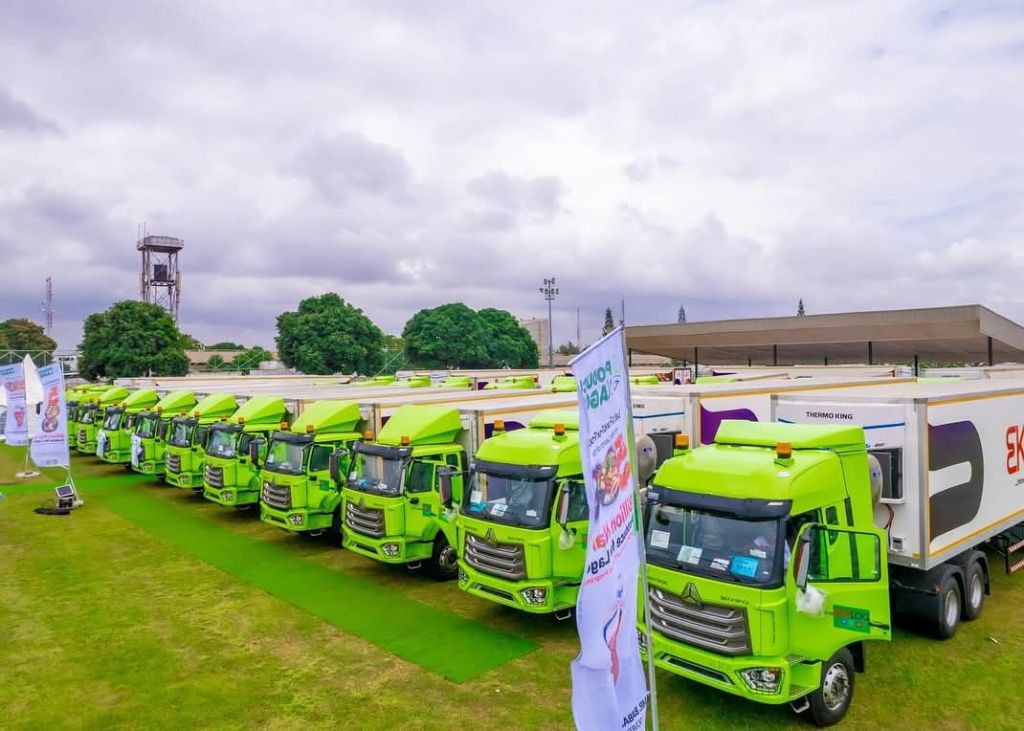
The initiative will be managed by the Lagos Food Systems Infrastructure Company (LAFSINCO), with collaboration from other entities including the Lagos Bulk Trading Company and Eko Logistics (Ekolog).
“This is not a subsidy scheme,” Sanwo-Olu clarified. “It is a strategic fund designed to attract private capital and de-risk agricultural investment. The objective is long-term transformation, not short-term intervention.”
Governors from other Nigerian states, including Dapo Abiodun (Ogun), Mohammed Bago (Niger), Agbu Kefas (Taraba), and Usman Ododo (Kogi), expressed admiration for the initiative and pledged cooperation with Lagos.
They emphasized the role their respective states will play in producing food for Lagos through improved partnerships and regional synergies.
Federal officials, including Minister of Digital Economy Bosun Tijani, Minister of Livestock Idi Maiha, and Minister of State for Finance Doris Aniete, hailed the “Produce for Lagos” programme as a model for national agricultural reform and praised the Lagos State Government for its foresight.
The Chief of Defence Staff, General Christopher Musa, also endorsed the programme, affirming the Nigerian Armed Forces’ readiness to support food security measures as part of broader national stability efforts.
Commissioner for Agriculture and Food Systems, Abisola Olusanya, outlined the strategic goals of the programme, which include improving urban-rural linkages, minimizing post-harvest losses, and ensuring efficient market access for farmers.
She noted that Lagos has already implemented several innovative projects to support agribusiness, such as the Lagos Innovation Club, Lagos Food Festival, Agriculture Scholars Programme, and a specialized apprenticeship scheme for aspiring food entrepreneurs.
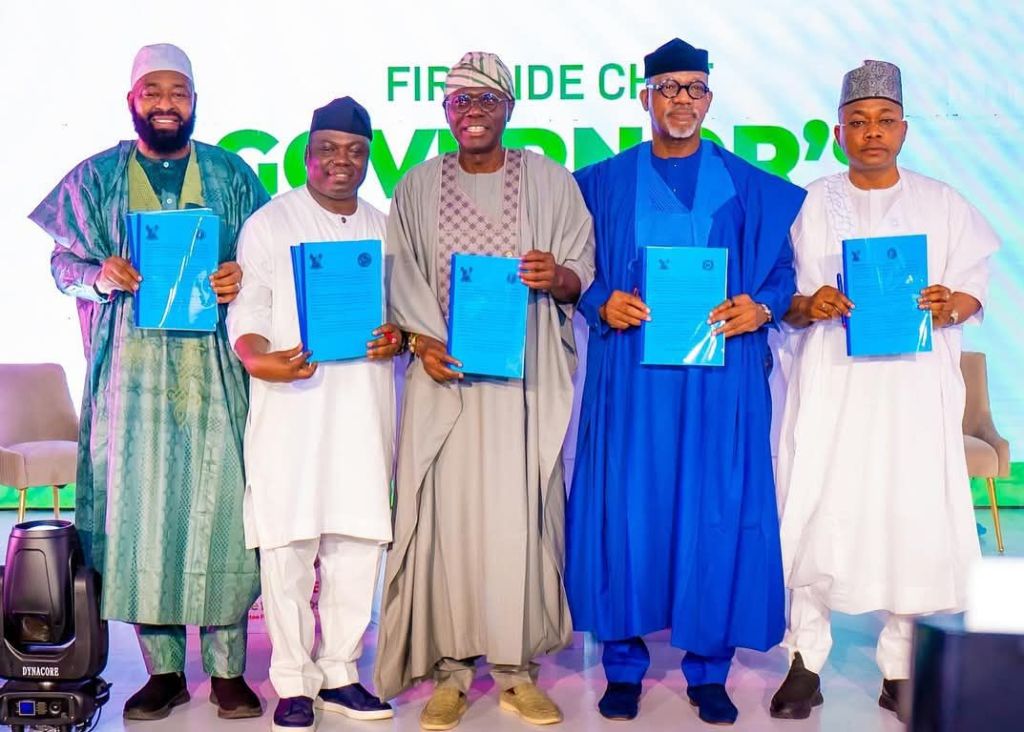
In his remarks, Prince S. J. Samuel, Chairman of Origin Tech Group, reiterated the private sector’s willingness to invest in and partner with Lagos to scale agricultural production and logistics solutions. He urged broader collaboration between government and business in tackling food insecurity.
The launch of the “Produce for Lagos” initiative and the accompanying ₦500 billion fund marks a significant turning point in how Nigeria’s urban centres approach food security.
With Lagos taking the lead, the state hopes to set a benchmark for integrated, finance-driven agricultural development in Africa’s largest economy.

 INN-HOUSE☆