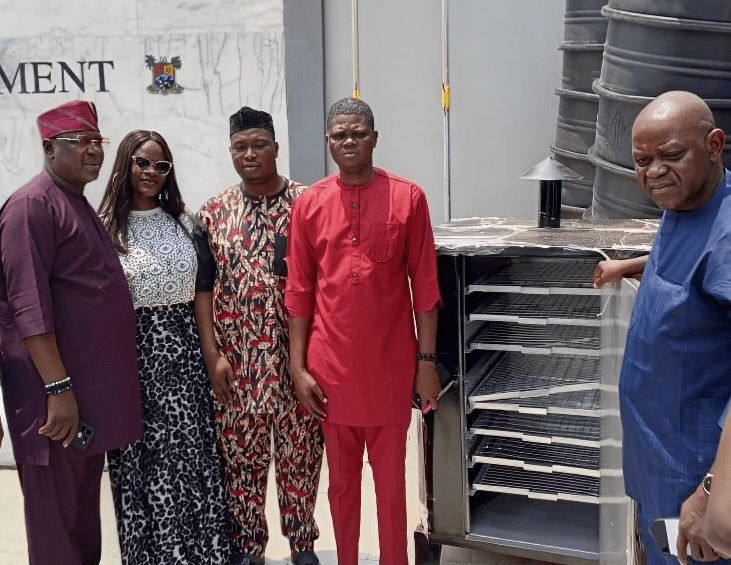
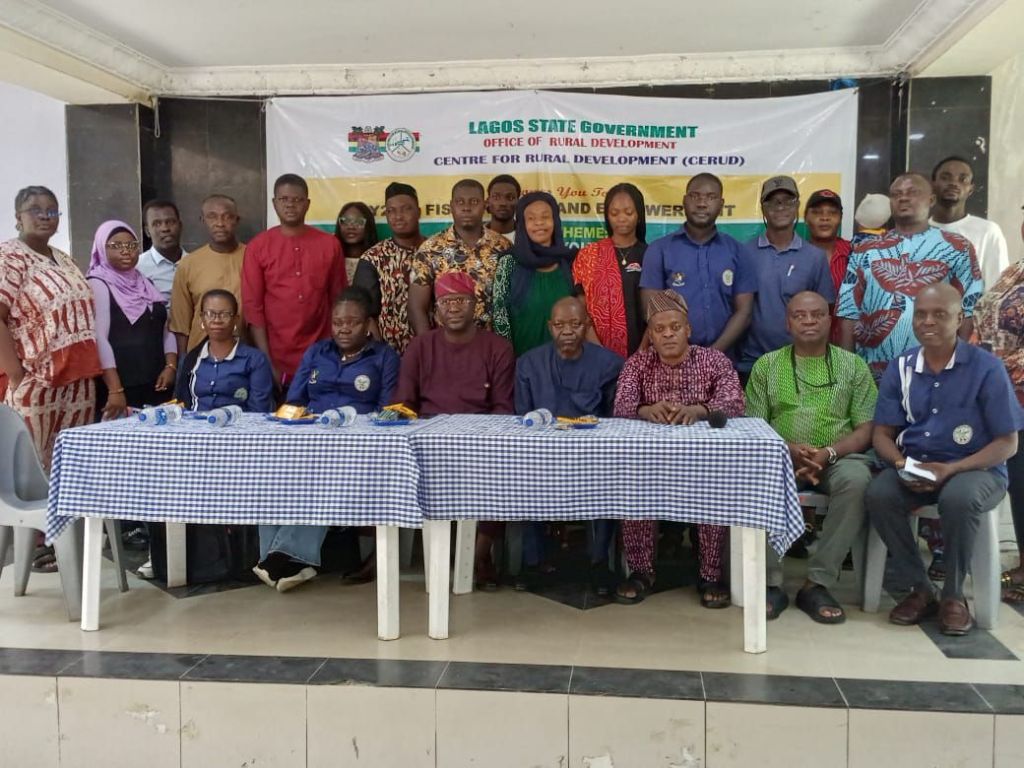
The Lagos State Office of Rural Development—through its Centre for Rural Development (CERUD)—held a capacity-building and empowerment initiative tagged the Y2025 Fish Farming Training Scheme in Eti-Osa Local Government Area, in a strategic effort to tackle youth unemployment and strengthen rural agribusiness in Lagos.
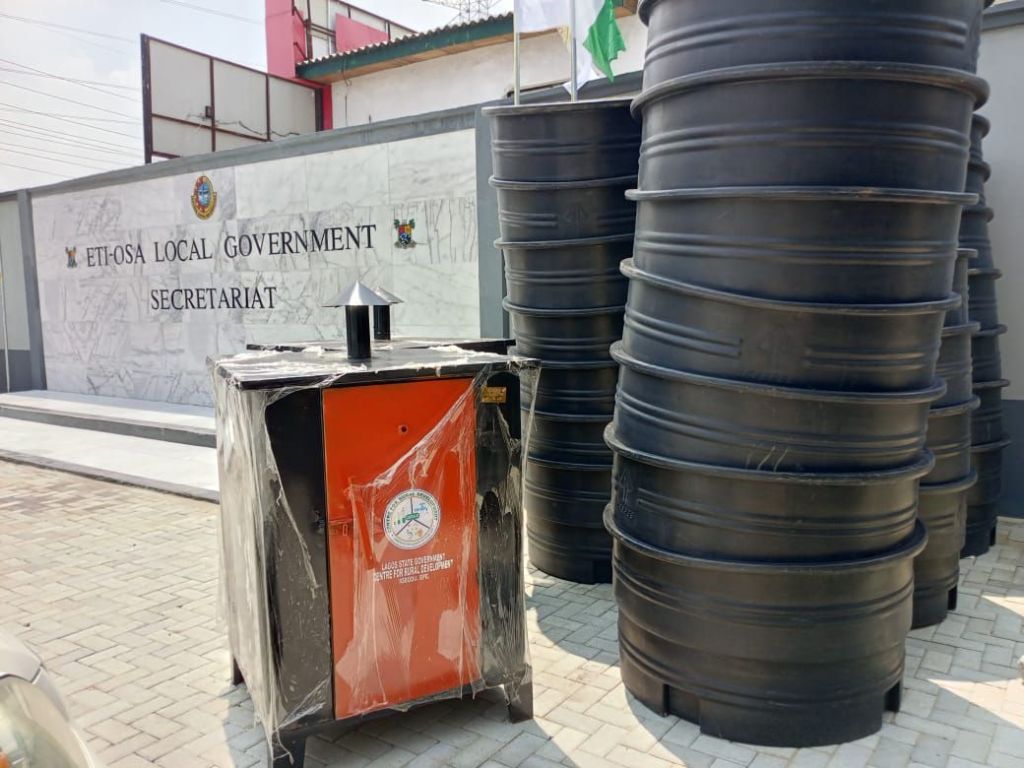
The program, themed “Empowering the Youths for Self-Reliance and Sustainable Socioeconomic Development,” took place on Wednesday, July 24, 2025, at the Eti-Osa Local Government Secretariat.
Fifty young residents of the area were selected to participate in the scheme, which combined practical training sessions with direct empowerment support to help them launch or improve their fish farming ventures.
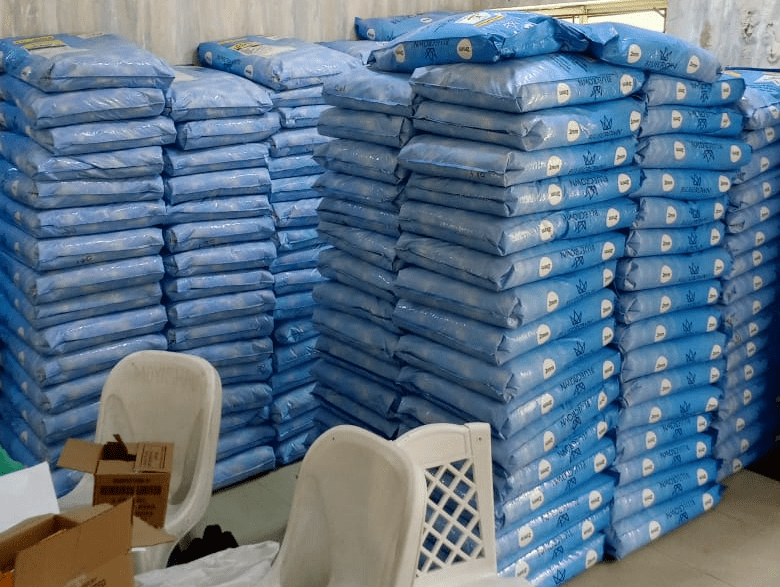
Each beneficiary received fish tanks, bags of feed, and modern smoking kilns—all essential for effective and profitable fish production and processing.
Speaking at the event, the Special Adviser to the Governor on Rural Development, Dr. Nurudeen Yekinni Agbaje, emphasized the significance of the initiative in promoting sustainable agriculture and economic resilience among the youth.
According to him, the training was not only designed to introduce participants to modern aquaculture techniques but also to equip them with business-oriented skills that cover the full cycle of fish production—from breeding to processing and market access.
“This initiative is part of Governor Babajide Sanwo-Olu’s broader agenda to expand rural agricultural opportunities and encourage self-employment across Lagos State,” Dr. Agbaje remarked.
“We are building a generation of entrepreneurs who will contribute meaningfully to food security and rural development.”
“The Y2025 fish empowerment scheme forms part of a series of rural-focused interventions by the Lagos State Government to enhance productivity, reduce poverty, and foster economic independence, especially among the youth in underserved communities.” Dr Agbaje added
He added that with the necessary knowledge and tools now in the hands of the trainees, they would be better positioned to manage sustainable fish farms capable of creating wealth and job opportunities within their communities.
Mr. Musibau Muyiwa Balogun, Director of the Centre for Rural Development (CERUD), coordinated the entire program, stating that it reflects the state government’s commitment to inclusive economic growth and impactful grassroots transformation.
Participants were trained in key aspects of fish farming, including pond management, feeding methods, disease prevention, harvesting, smoking, preservation, and marketing techniques. Several of the trainees expressed their gratitude for being selected and pledged to apply the skills and equipment received to improve their livelihoods.

 INN-HOUSE☆