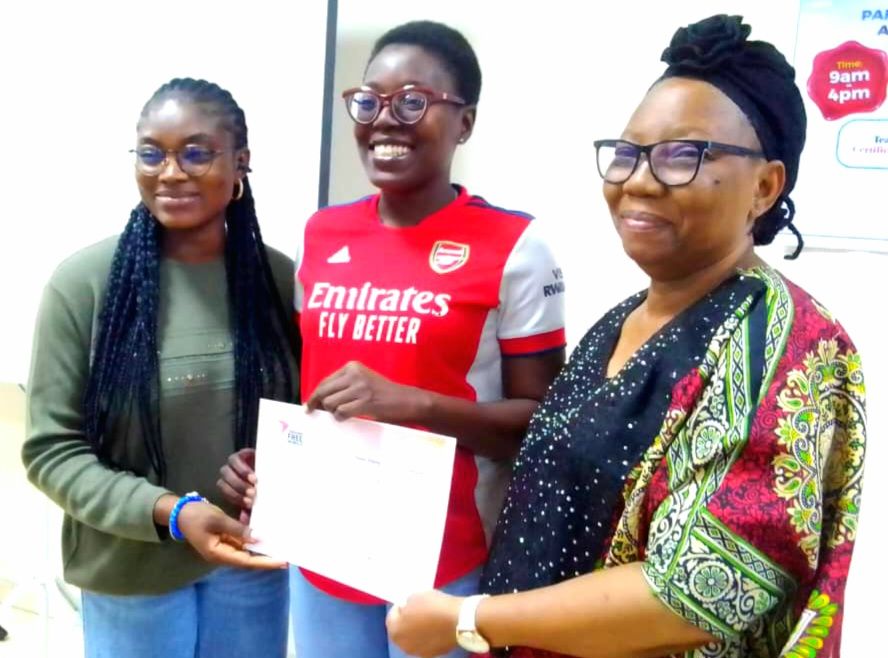
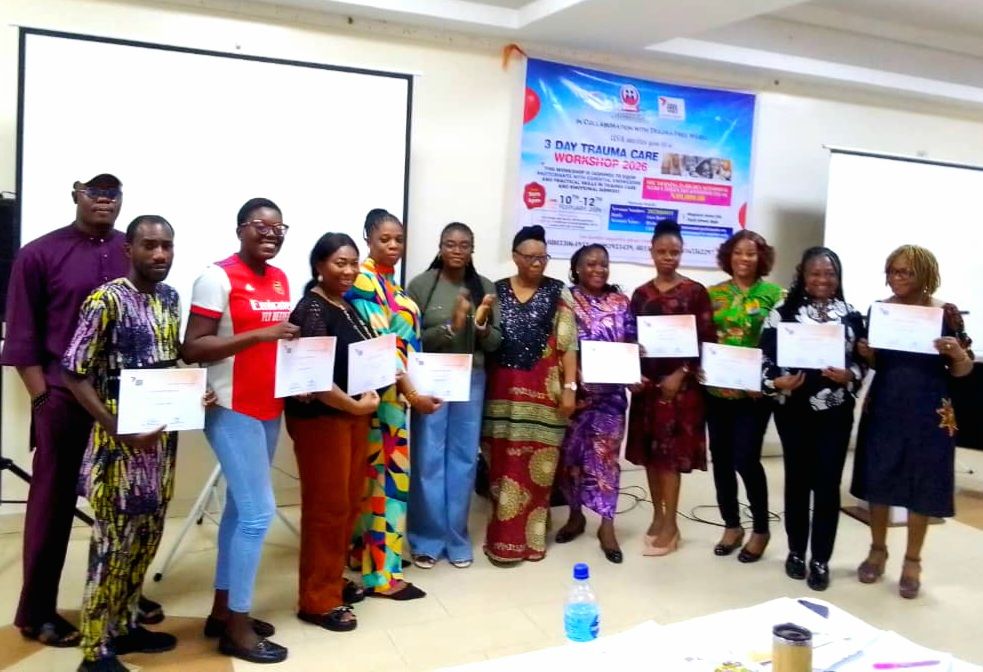
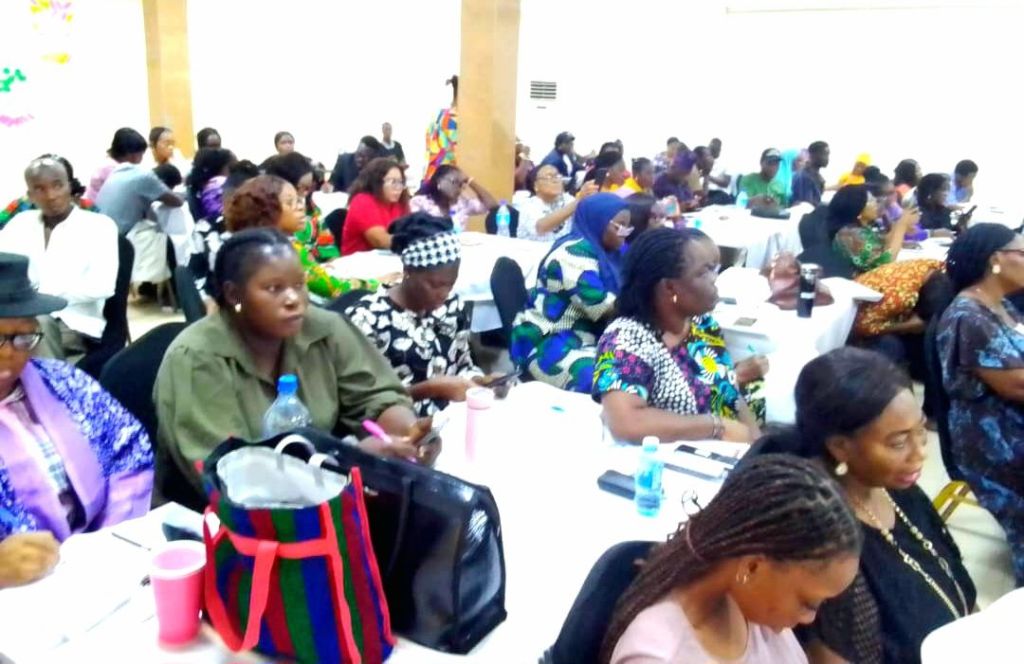
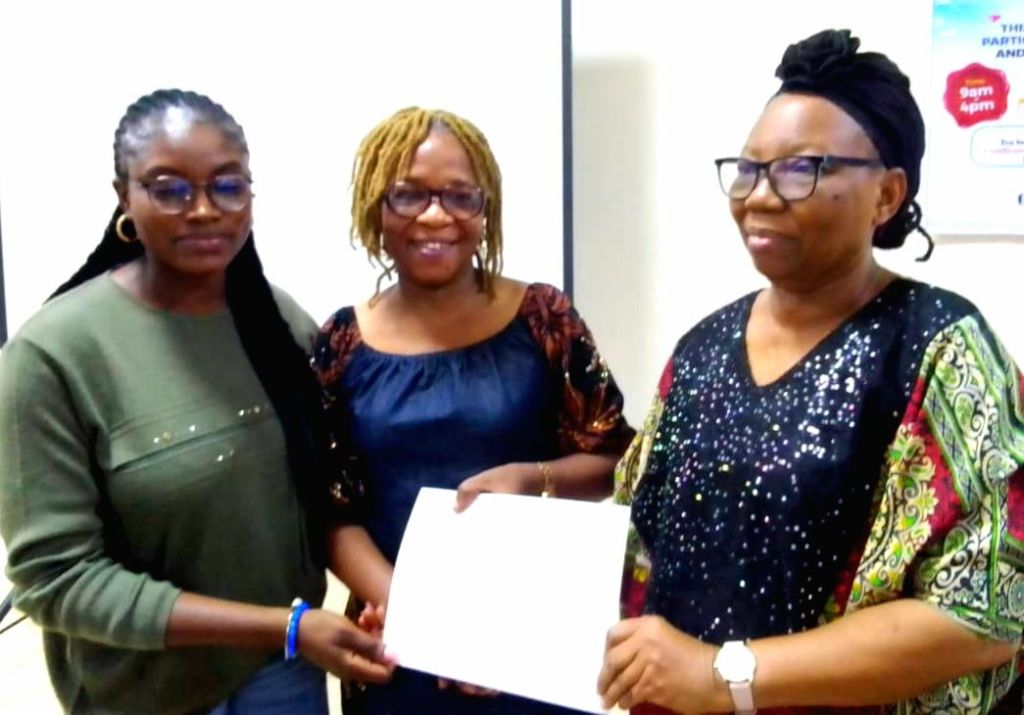
A three-day Trauma Care Workshop aimed at strengthening emotional support systems for vulnerable children has been successfully concluded in Lagos, with no fewer than 90 caregivers, educators, faith-based leaders, and child-focused practitioners receiving intensive trauma-informed training.
The capacity-building programme, the second in its series, was organized by Divine Heritage Children’s Centre in collaboration with Trauma Free World.
It held from February 10 to 12, 2026, at M-Square Hotel in Ikeja, under the theme “Everyone, Everywhere – Building a Trauma-Free World.”
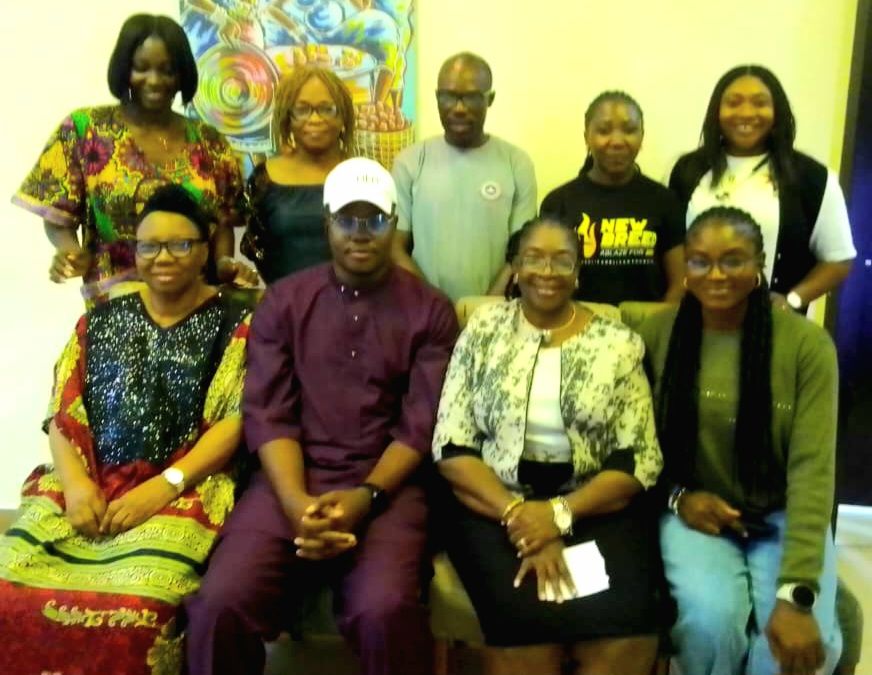
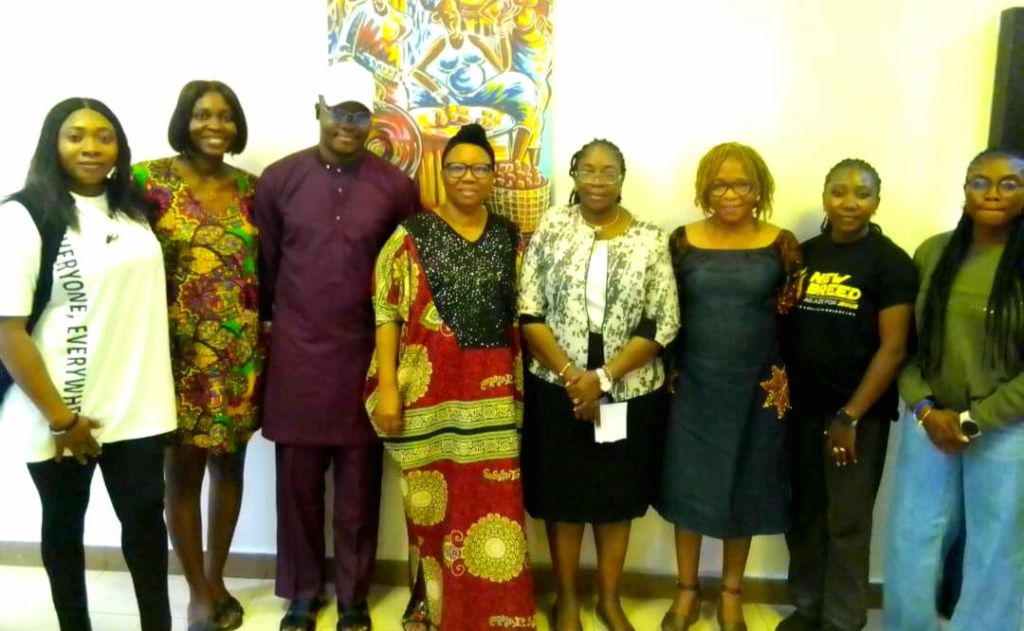
The Trauma free world Lagos Nigeria leadership are as follows: Rev Kolawole & Rev mrs Ebunoluwatoyin Idowu, Mrs Ronke Oyelekan, Mr. Niran Oyedokun, Mr. Fisayo Adediran, Ene Oklo, Erhisere Oghene , Okunuga Olufisayo
Designed to equip participants with essential knowledge and practical skills in trauma care and emotional healing, the workshop ran daily from 9 a.m. to 4 p.m., offering structured sessions on bonding with children, managing difficult behaviours without aggression, effective communication, and becoming active partners in the healing journey of traumatised individuals.
Participants were drawn from a wide spectrum of child-related institutions, including orphanage operators, school administrators, children’s ministry leaders, social workers, and development practitioners working closely with vulnerable children across Lagos State.
Speaking on the motivation behind the initiative, Ebunoluwatoyin Idowu, Founder and Director of Divine Heritage Children’s Centre, Ikorodu Road, Lagos, expressed deep gratitude to God for the success of the programme.
She explained that the workshop was born out of a personal conviction following her exposure to trauma care training overseas.
According to her, many children and adults are silently grappling with emotional pain, disorderliness, marital breakdowns, and persistent life challenges without understanding the root causes of their struggles.
She stressed that trauma remains real, widespread, and often unrecognised, leaving many people trapped in cycles they do not know how to break.
Reverend Idowu noted that her exposure to trauma-informed care had fundamentally transformed how she works with vulnerable children.
Rather than reacting to misbehaviour, she now prioritises understanding the underlying causes.
“Healing is very crucial in the life of vulnerable children,” she said, adding that earlier access to such knowledge would have altered how she handled certain situations in the past.
She further called for the expansion of trauma-informed training across the numerous orphanages and care homes in Lagos, noting that with thousands of children in institutional care, the absence of proper trauma awareness could unintentionally lead to emotional harm rather than healing.
The positive feedback and visible impact of the maiden edition of the workshop, she explained, inspired the decision to host a second edition.
On the global perspective of trauma recovery, Ene Maria Oklo, West African Regional Manager for Trauma Free World, described the collaboration as a strategic partnership aimed at breaking cycles of trauma within communities.
She said the organisation is committed to sharing evidence-based research and best practices in trauma recovery worldwide.
“Together, we envision a world where communities break free from the circle of trauma—where we understand how to avoid triggering one another, prevent violence, and navigate big emotions with empathy and care,” she stated, emphasising that collective effort remains central to sustainable healing.
Adding a judicial perspective to the discourse, Ibironke Harrison, a Judge of the High Court of Lagos State, described the training as timely and essential, particularly for actors within the justice system.
She explained that her passion for children—both vulnerable and non-vulnerable—drove her participation.
Drawing from her experience in the criminal division, Justice Harrison noted that she frequently encounters underage offenders and often questions how children become involved in serious crimes at such tender ages.
“I believe all children are vulnerable,” she said, stressing that behind labels such as armed robbery or murder are deeper unresolved issues.
“Until we get the reason behind the behaviour, all the punishment will not gain us,” she added.
Despite returning from an exhausting international engagement in Israel, the judge revealed that she joined the workshop online before later attending physically to gain fuller insight.
She disclosed plans to recommend trauma-informed training to judicial leadership, particularly judges in family and criminal courts, warning that without new approaches, the justice system risks repeating unproductive cycles.
For Emmanuel Oladipo of Children Evangelism Ministry International, the workshop provided both professional and personal value.
As a trainer who works closely with children’s teachers, he said the knowledge gained would enhance his capacity to support educators more effectively.
Reflecting on his own experiences as a visually impaired individual, Oladipo described the training as enlightening.
“I have learned that I should not just be a reactor but a respondent,” he said, noting that one key lesson was that no story is too difficult to tell—what matters is how it is communicated.
Highlighting innovation in trauma intervention, Joshua Silver of BEB Organisation spoke on technological solutions aimed at supporting institutionalised children.
He explained that his organisation has developed specialised software to assist children transitioning from orphanages into family-based care.
According to him, unresolved trauma often follows children into new homes if not addressed early.
He outlined a five-module programme covering trauma identification, communication strategies, and post-trauma care, stressing that trauma conversations must be continuous rather than one-off engagements.
“Healing takes time,” he said, adding that consistent dialogue and application are critical to long-term outcomes.
The workshop concluded with a collective consensus among participants that trauma-informed care must remain an ongoing conversation across institutions, sectors, and communities.
Stakeholders unanimously affirmed that sustained education, empathy, and deliberate practice are vital to breaking cycles of trauma and fostering healthier outcomes for children and families.
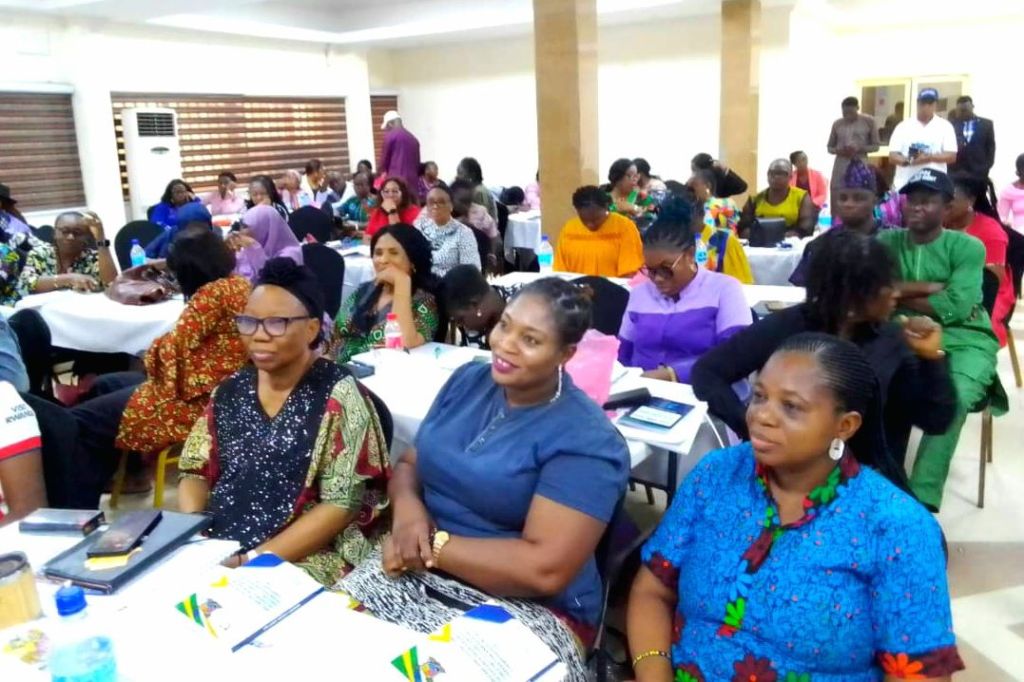
Participants departed with renewed commitment to implementing trauma-informed practices within their respective institutions, reinforcing hopes for safer, more compassionate environments for children across Lagos State and beyond.

 INN-HOUSE☆