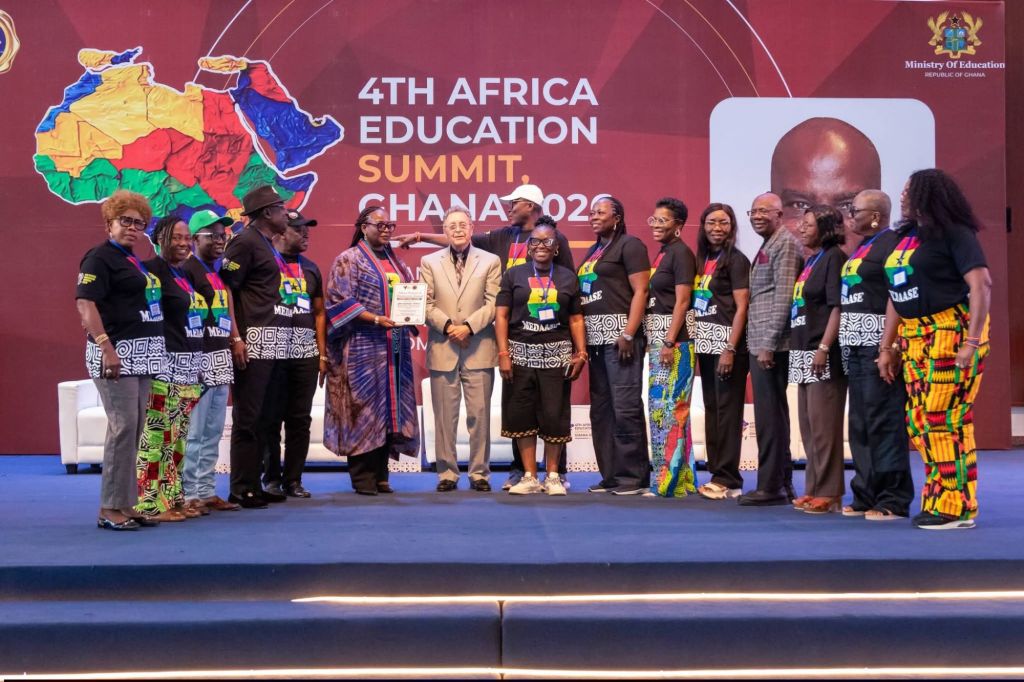
The 4th Africa Education Summit concluded in Accra with far-reaching resolutions aimed at accelerating the integration of educational technology (EdTech) across African learning systems.
Held from March 19 to 21, 2026, at the University of Professional Studies, Accra, the summit brought together policymakers, educators, researchers, and innovators under the theme, “Advancing EdTech Integration in African Education: A Unified Roadmap for Action.”
Hosted by the Ghana Ministry of Education in collaboration with international stakeholders, the summit served as a high-level continental platform to address the pressing need for digital transformation in Africa’s education sector.
Deliberations at the summit underscored a shift from policy discussions to actionable strategies. Participants emphasized that Africa must move beyond rhetoric and implement inclusive, sustainable, and context-driven EdTech solutions capable of transforming teaching and learning outcomes across the continent.
Central to discussions were persistent barriers hindering digital education growth. Delegates identified the widening digital divide, particularly between urban and rural communities, as a major concern, noting limited access to internet connectivity, electricity, and digital devices.
Stakeholders stressed the urgent need for continuous professional development to equip educators with digital skills and modern pedagogical approaches necessary for effective technology integration.
Participants also called for stronger alignment between policy frameworks and investments, urging governments to harmonize strategies while scaling funding and fostering public-private partnerships to drive EdTech adoption.
Additionally, the importance of developing locally relevant digital content was emphasized, with a call to harness African innovation and expertise to ensure culturally appropriate and impactful learning resources.
The summit concluded with a set of resolutions designed to guide the continent’s digital education agenda. Chief among them was the agreement by member states to develop a unified continental roadmap to coordinate EdTech implementation across African countries.
Governments and partners also committed to strengthening digital infrastructure through expanded internet access, improved electricity supply, and increased investment in learning technologies.
In a move to address capacity gaps, participants adopted a resolution prioritizing teacher training in digital competencies, alongside the promotion of innovative teaching methods.
Stakeholders further pledged to promote inclusive access, ensuring that marginalized and underserved communities benefit from digital education initiatives.
The summit also encouraged stronger collaboration between governments, private sector players, and development agencies to scale innovative solutions, while emphasizing the need for monitoring and accountability mechanisms to track progress and ensure measurable outcomes.
Convener of the summit, Honey Olawale, who serves as Director of Global Skills Hub in the United Kingdom, urged African nations to embrace unity in advancing a shared educational vision.
He noted that collaboration remains key to unlocking the full potential of digital transformation in education across the continent.
The 2026 summit attracted participants from nearly 20 countries, reflecting strong international collaboration and a shared commitment to reshaping Africa’s education landscape through technology-driven solutions.
The 4th Africa Education Summit is widely regarded as a pivotal moment in the continent’s education reform journey. With the adoption of a unified roadmap and actionable commitments, stakeholders have laid a solid foundation for building an inclusive, digitally empowered education system capable of meeting the demands of the 21st century.

 INN-HOUSE☆